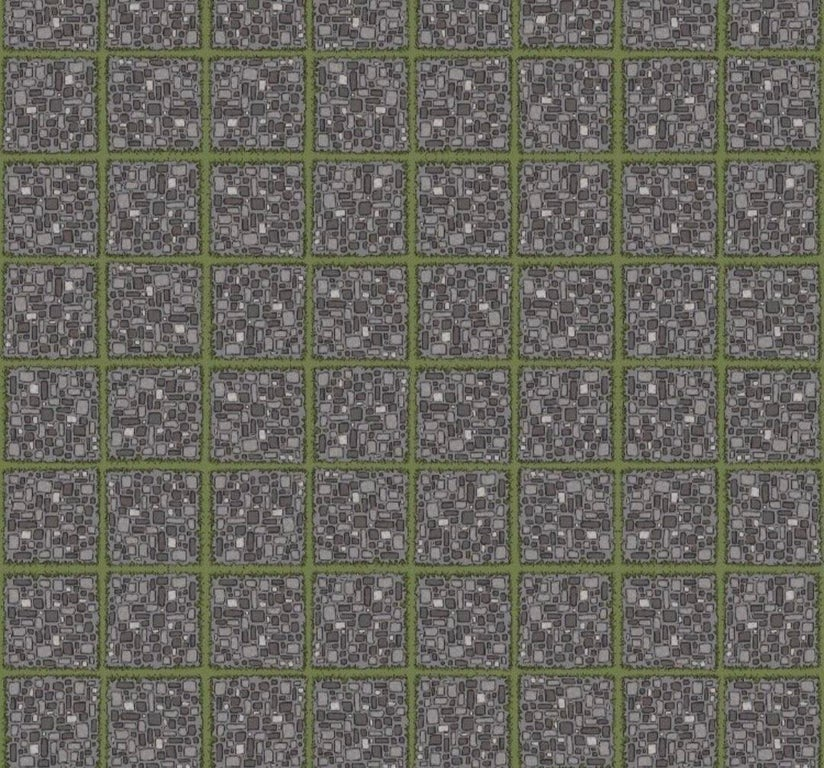
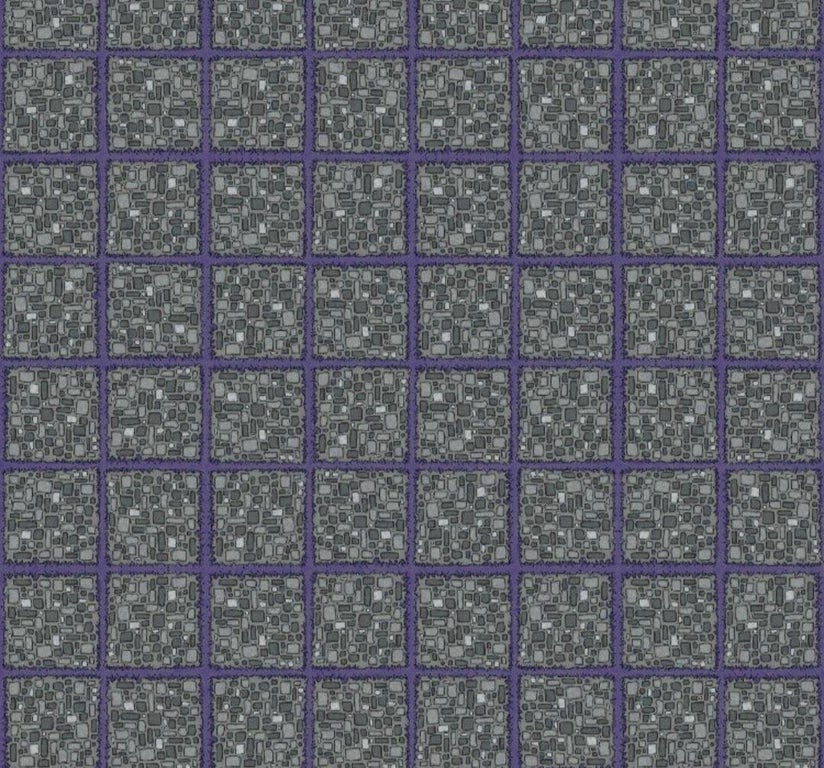
Pretty amazing adversarial image for the human visual system.
Outside the fovea, feature detectors are sensitive to lower-spatial frequency signals and pooled over large areas.
One loses the high-frequency forest for the low-frequency tree.
quoting @Rainmaker1973: This deceiving grid tricks you into thinking there's a curved line somewhere, but you can't find it. The purposefully placed gray lines of squares in a curved formation will induce your peripheral vision to interpolate curved lines [read more: https://t.co/AExsDOkINK] https://t.c
someone says the green hue is important, which I could believe. easy way to test that but I'm going to bed rn
@femboysnickers@JacobTool@RivererUwU@Potato_QTS@DudespostingWs I don’t believe this is due to microsaccades, but a rod/cone issue. since your rods won’t distinguish the color gradient of the grey vs green, cones can but cones are largely focused in the fovea (central sharp vision disc), so you’re seeing the curved lines in the periphery.
@JoeyCashmere I flipped the colors and it still seems pretty wavy although maybe less so? so maybe green isn't the source of the effect but enhances it?